Can an Emergency Dentist Help with a Lost Veneer or Bridge?

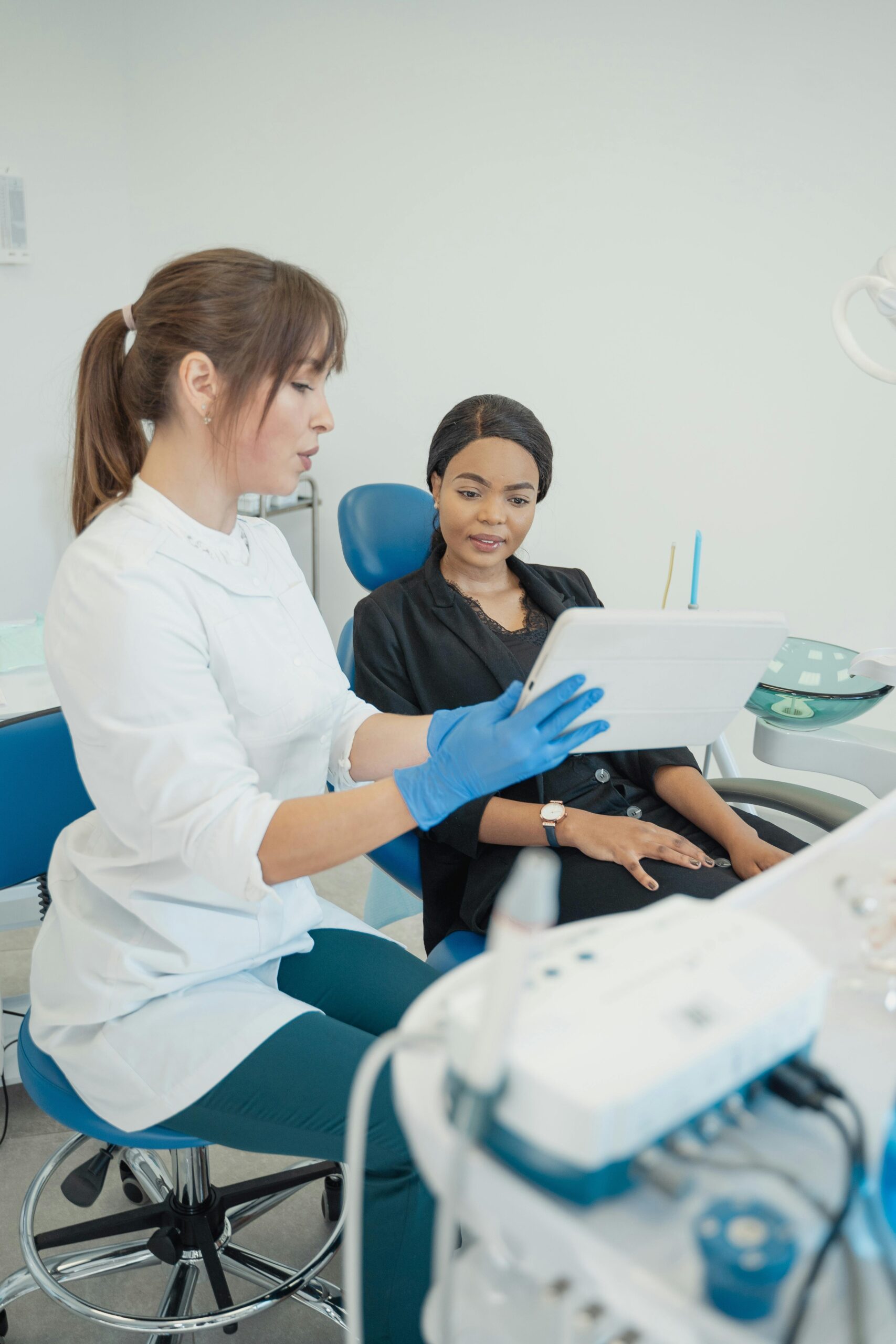
A lost veneer or bridge can feel minor for about thirty seconds, right up until you see your smile in a mirror, feel a sharp edge with your tongue, or try to bite into lunch and realize something is not right. Patients often ask the same question in that moment: is this a true dental emergency, or can it wait a few days?
The short answer is yes, an Emergency Dentist can often help with a lost veneer or bridge, but what that help looks like depends on why it came off, whether the tooth underneath is damaged, and how stable the surrounding teeth and gums are. Sometimes the restoration can be re-cemented the same day. Sometimes a temporary fix is the safest option. And sometimes the veneer or bridge falling out is the first visible sign of a larger problem, such as decay under the restoration, a fractured tooth, bite overload, or a failing supporting tooth.
That distinction matters. A cosmetic inconvenience is one thing. A vulnerable tooth with exposed dentin, a broken abutment, or a loose multi-unit bridge is another. The best emergency care is not just fast, it is accurate.
What counts as an emergency when a veneer or bridge comes off?
Not every lost veneer or bridge sends someone to the hospital, but many cases deserve urgent dental attention. There is a practical difference between "life-threatening" and "needs prompt care." Dentistry deals with the second category every day.
If a front veneer comes off cleanly and there is no pain, no bleeding, and no broken tooth underneath, you may not need a midnight appointment. Still, if the exposed tooth is sensitive to air or cold, or if the veneer came off because the underlying tooth structure weakened, delaying care can make a simple re-bonding impossible later.
With bridges, the urgency is often higher. A bridge is not a decorative shell. It redistributes biting force across supporting teeth, and when it becomes loose or falls out, those support teeth can be exposed, stressed, or damaged. A partially detached bridge can be worse than one that has fully come out because it may rock during chewing and loosen the retainers further.
An Emergency Dentist is usually most helpful in these situations: significant pain, visible tooth fracture, swelling, bleeding, a bridge that is loose but still attached, a veneer or bridge lost just before travel or an important event, or a restoration that leaves a rough or sharp edge cutting the tongue or cheek.
I have seen patients wait too long because they assumed a lost restoration was "just cosmetic." In a fair number of those cases, the real issue was hidden decay under old cement, which spread quietly until the restoration let go.
Veneers and bridges fail for different reasons
It helps to understand that a veneer and a bridge are built differently and fail differently.
A veneer is a thin facing, usually porcelain or composite, bonded to the front surface of a tooth, most often a front tooth. When it comes off, the cause may be bond failure, trauma, nighttime grinding, an edge bite on hard food, or gradual leakage and breakdown at the margins. Sometimes the veneer itself is intact and can be re-bonded. Sometimes it fractures at removal or has contamination on the inner surface that affects reattachment.
A bridge replaces one or more missing teeth by anchoring to adjacent teeth or implants. Traditional bridges rely on supporting teeth, called abutments. If a bridge comes loose, the issue may involve cement washout, recurrent decay under a crown, a cracked abutment tooth, gum recession that changed the fit, or a bite imbalance that placed too much force on one side.
These distinctions shape emergency treatment. Veneer cases are often about protecting the exposed tooth and deciding whether the original piece is reusable. Bridge cases require a closer look at the supporting structures, because the bridge may only be the messenger.
What an Emergency Dentist can actually do
Patients sometimes picture emergency dentistry as pain pills and a referral. Good emergency dental care is much more hands-on than that. If you arrive with a lost veneer or bridge, the dentist is usually trying to answer four questions quickly: what failed, what is still healthy, what can be saved today, and what needs a longer-term repair.
In a straightforward veneer case, the dentist may inspect both the veneer and the tooth, check the fit, clean away old cement or bonding residue, and determine whether the tooth surface is suitable for rebonding. Moisture control matters here. Porcelain bonding is technique-sensitive, and a rushed or contaminated rebond often fails again. If the veneer is intact and the tooth is sound, same-day reattachment may be possible.
For a bridge, the process tends to be more involved. The dentist will check whether the bridge came out whole, whether the retainers are distorted, and whether the abutment teeth are still structurally strong enough to support it. X-rays are often useful. A bridge that looks fine from the outside can hide decay under one retainer or a vertical crack in a support tooth. If the bridge fits passively and the abutment teeth are healthy, recementation may be possible. If not, a temporary bridge, protective dressing, or provisional plan may be safer until definitive work is done.
Emergency care also includes pain control, smoothing sharp areas, placing temporary material over sensitive tooth surfaces, and advising you on what not to eat or chew. Sometimes the most valuable thing done that day is preventing the situation from worsening.
When same-day reattachment works, and when it does not
Patients naturally hope the fix will be simple. Sometimes it is. I have seen veneers pop off almost like a contact lens from a smooth tooth surface after years of grinding, and once cleaned properly, they bonded back beautifully. I have also seen a bridge come loose because old cement dissolved over time while the underlying teeth stayed healthy. Those are the pleasant cases.
But there are clear reasons a dentist may choose not to reattach the original restoration immediately.
If the veneer is cracked, chipped at the margin, distorted, or contaminated in a way that compromises bonding, reusing it may be unwise. If the tooth under it has decay or a new fracture line, bonding the veneer back on would only conceal the problem.
With bridges, poor fit is a major red flag. A bridge should not be forced into place. If it no longer seats fully, something changed. That change could be subtle decay, tooth movement, a fractured core, or damage to the bridge itself. Recementing a bridge that no longer fits can trap bacteria, overload the supports, and turn a manageable repair into a root canal or extraction later.
This is where experienced judgment matters. Fast care is helpful, but not every quick fix is a good fix.
What to do before you get to the appointment
If the veneer or bridge has come out, the safest first step is to retrieve it and keep it clean and protected. Do not wrap it in tissue and toss it into a pocket or bag where it can crack or be thrown away by accident. A small rigid container is better.
These are the immediate priorities before you see a dentist:
- Save the veneer or bridge and bring it with you.
- Rinse your mouth gently with lukewarm water, and rinse the restoration too if it is dirty.
- Avoid chewing on the affected side, especially hard, sticky, or crunchy foods.
- Do not try to glue it back with household adhesive.
- Call an Emergency Dentist, especially if there is pain, swelling, or a loose bridge still attached.
Patients sometimes ask about over-the-counter temporary dental cement. It can be reasonable in very select cases, especially if travel or timing makes same-day care impossible, but it is not a substitute for an exam. A temporary product can also create problems if it is overused, packed improperly, or applied to a restoration that no longer fits. If you are considering it, speak with the dental office first and follow their advice.
One point cannot be stressed enough: super glue has no place in the mouth. It can burn tissue, lock a misfit restoration in the wrong position, and make professional repair more difficult.
What the exposed tooth may feel like
A lost veneer often leaves the tooth feeling oddly rough, thinner, or more sensitive than expected. That is because the tooth beneath a veneer is usually prepared to some degree, even if conservatively. Exposure to air, cold drinks, or brushing may trigger sharp sensitivity. The tooth may also look smaller, duller, or more matte than neighboring teeth.
A lost bridge can create a very different set of sensations. If the bridge has fully come out, the supporting teeth may feel stubby, rough, or tender. If it is only partly loose, patients often report movement when they bite, a strange clicking sensation, or pressure in one of the support teeth. Food packing is common. So is soreness in the gum where the missing replacement tooth used to sit.
These symptoms help the dentist judge urgency. Sensitivity alone can be manageable. Mobility, swelling, pain on biting, or foul odor around the site often point to a more active underlying problem.
Why veneers and bridges come off in the first place
Restorations rarely fail without a reason. The reason may be simple wear, but it is still useful to identify it. Otherwise, the repair is often short-lived.
Cement and bonding materials age. Saliva, acidity, grinding, temperature change, and ordinary function slowly challenge any restoration. But material fatigue is only part of the story. Bite forces are often the hidden driver. People who clench at night can place extraordinary load on front veneers and posterior bridgework, sometimes without realizing it. A patient may insist they do not grind because they have never heard the noise, yet their teeth show flat wear facets and their restorations repeatedly fail. The mouth keeps its own records.
Decay is another common culprit, especially under older bridges. A bridge can look excellent from the outside while one abutment quietly softens at the margin. The cement seal fails, bacteria enter, and the bridge eventually loosens. In that scenario, the bridge coming off is less a disaster than a warning. It brought the problem to light before the tooth broke further.
Trauma counts too. A fork to the front teeth, a fall, biting down on an olive pit, or using teeth to open packaging can all be enough. Dentists hear these stories more often than people think.
The role of temporary treatment
Not every emergency appointment ends with a permanent solution, and that is not a sign of poor care. Sometimes temporary treatment is the most responsible option.
A front veneer may need a temporary covering if the original cannot be re-bonded immediately. A bridge situation may require a provisional crown on one support tooth, a sedative dressing, or a short-term bridge replacement while the laboratory remakes the final restoration. If gum tissue is inflamed or a tooth is too sensitive, trying to finish everything in one visit can actually reduce the quality of the final result.
Temporary treatment buys time for healing, proper diagnosis, and careful fabrication. It also protects appearance and function, which matters a great deal when the restoration is in the smile zone.
Patients are often relieved to learn that "temporary" does not always mean flimsy or ugly. In many modern practices, provisional materials can be made to look quite presentable for the days or weeks they are needed.
Situations where the problem is bigger than the veneer or bridge
This is the part many patients do not expect. Occasionally, the lost restoration is the least significant issue in the room.
A veneer can come off because the tooth fractured underneath near the gumline, leaving too little healthy enamel for reliable rebonding. A bridge can fail because one abutment tooth developed deep decay or a crack that now requires root canal treatment, crown lengthening, extraction, or reconsideration of the entire treatment plan. If the support is gone, saving the bridge itself may not matter.
There are also gum and bite issues. If the gums around a bridge have been inflamed for months, recementing the bridge without addressing hygiene access or contour may recreate the same problem. If a patient has started clenching heavily during a stressful period, simply rebonding a veneer without discussing a night guard may be a short-term win and a medium-term failure.
That is why a good emergency visit balances immediacy with foresight. Relief now matters, but so does not setting you up for another urgent visit next month.
When you should treat this as time-sensitive
Some cases can wait a day or two. Others should be seen as soon as possible. The difference usually comes down to pain, instability, and risk to the tooth.
Seek prompt care if you notice any of the following:
- Moderate to severe pain, especially pain when biting.
- Swelling of the gum, cheek, or face.
- A bridge that is loose but still hanging on one side.
- Bleeding, pus, or a bad taste from the area.
- A visible fracture in the tooth or the restoration.
Even without pain, a bridge off a back tooth can quickly affect chewing patterns. People often start favoring one side, overloading other teeth and jaw muscles. It is a small compensation that can create larger discomfort within days.
What the appointment may involve
Emergency dental visits for lost restorations are usually efficient, but they are not always quick. Expect a focused history first. The dentist will want to know when it happened, whether you swallowed or aspirated any piece, whether there was trauma, and whether the restoration had felt loose before it came out.
The examination usually includes looking at the restoration itself, not just the mouth. Bring every piece you can find. A chipped edge, a trapped fragment of tooth, or distortion of a bridge retainer can tell a great deal. Photos on your phone from before the incident can also help in front-tooth cases where shade, shape, and position matter.
X-rays are common in bridge cases and selective in veneer cases. They are especially useful when there is pain on biting, recurrent decay is suspected, or a support tooth looks compromised. The dentist may take bite records, photographs, or an impression if a new restoration seems likely.
If treatment is done the same day, success depends on case selection. A clean, intact veneer on a healthy tooth is the simplest scenario. A long-span bridge with one decayed abutment is not.
Cost, timing, and realistic expectations
Patients understandably want to know the price and whether the problem can be solved in one visit. The honest answer is that there is a wide range.
Re-cementing or re-bonding an intact restoration is generally less costly than remaking it, but only if the fit and supporting tooth structure remain sound. Once decay, fractures, root canal needs, or laboratory work enter the picture, the timeline and fee increase. A veneer remake may require impressions or digital scans, a temporary, and a return appointment. A bridge replacement may involve multiple visits and sometimes coordination with a specialist.
One practical point from experience: if a veneer or bridge is over ten years old, dentists become more cautious about promising simple reuse. Age alone does not doom a restoration, but older materials and older preparations are more likely to have hidden issues. On the other hand, I have seen very old bridgework come off cleanly and serve well again after recementation because the supporting teeth were meticulously maintained. There is no honest one-size-fits-all answer.
How to reduce the odds of it happening again
Prevention after repair is usually less dramatic than the emergency itself, but it matters more in the long run. If the failure was force-related, a custom night guard can protect both natural teeth and restorations. If hygiene access under a bridge has been difficult, your dentist may recommend different cleaning tools or demonstrate a better technique. If decay started at the margins, diet and fluoride exposure may need discussion, especially for patients with dry mouth or frequent snacking habits.
Regular maintenance visits matter here because veneers and bridges often fail quietly before they fail visibly. A rough margin, a small chip, a loosening contact point, or early cement breakdown can often be spotted before the restoration detaches.
Patients sometimes feel embarrassed when a visible veneer pops off or a bridge lands in their hand at dinner. There is no need. These things happen even in carefully maintained mouths. Restorations are durable, not permanent. What matters is how promptly and intelligently the problem is handled.
The bottom line for patients in the moment
If you lose a veneer or bridge, do not panic, but do not dismiss it either. Save the restoration, protect the area, avoid chewing on it, and contact an Emergency Dentist for guidance. In many cases, they can provide immediate relief, protect the exposed tooth, and sometimes reattach or recement the restoration the same day. In other cases, their role is to diagnose the real reason it failed and prevent a temporary problem from becoming https://andresidjp302.laurelcurrent.com/posts/what-counts-as-a-dental-emergency-advice-from-an-emergency-dentist a much larger one.
That is the real value of emergency dental care. It is not only about putting something back where it came from. It is about knowing when that is appropriate, when it is risky, and what the mouth is trying to tell you when a veneer or bridge lets go.
Smyle Dental Newhall
23754 Newhall Ave
Santa Clarita, CA 91321, United States
+16612559200
FAQ About Emergency Dentist
Will the ER do anything for dental pain?
An emergency department can assess serious complications and provide temporary care, but it usually cannot provide definitive dental treatment such as a filling or root canal. A dentist needs to identify and treat the cause. Call 911 or seek emergency medical care for difficulty breathing or swallowing, major facial injury, or uncontrolled bleeding.
What qualifies as a dental emergency?
A knocked-out permanent tooth, severe or persistent dental pain, swelling, and a broken tooth with pain need prompt professional assessment. Contact a dentist immediately for guidance on how urgently to be seen. Rapidly spreading swelling or swelling that affects breathing or swallowing requires emergency medical care.
What to do if I have a dental emergency in the middle of the night?
Call your dentist's office for after-hours instructions. Smyle Dental Newhall can be reached at (661) 255-9200; confirm when treatment is available. Do not wait for the office to open if you have trouble breathing or swallowing, uncontrolled bleeding, or a major facial injury. For a toothache while arranging dental care, gently rinse with warm water and avoid putting aspirin directly on the tooth or gums.