How Wisdom Teeth Removal Oxnard CA Supports Long-Term Dental Health
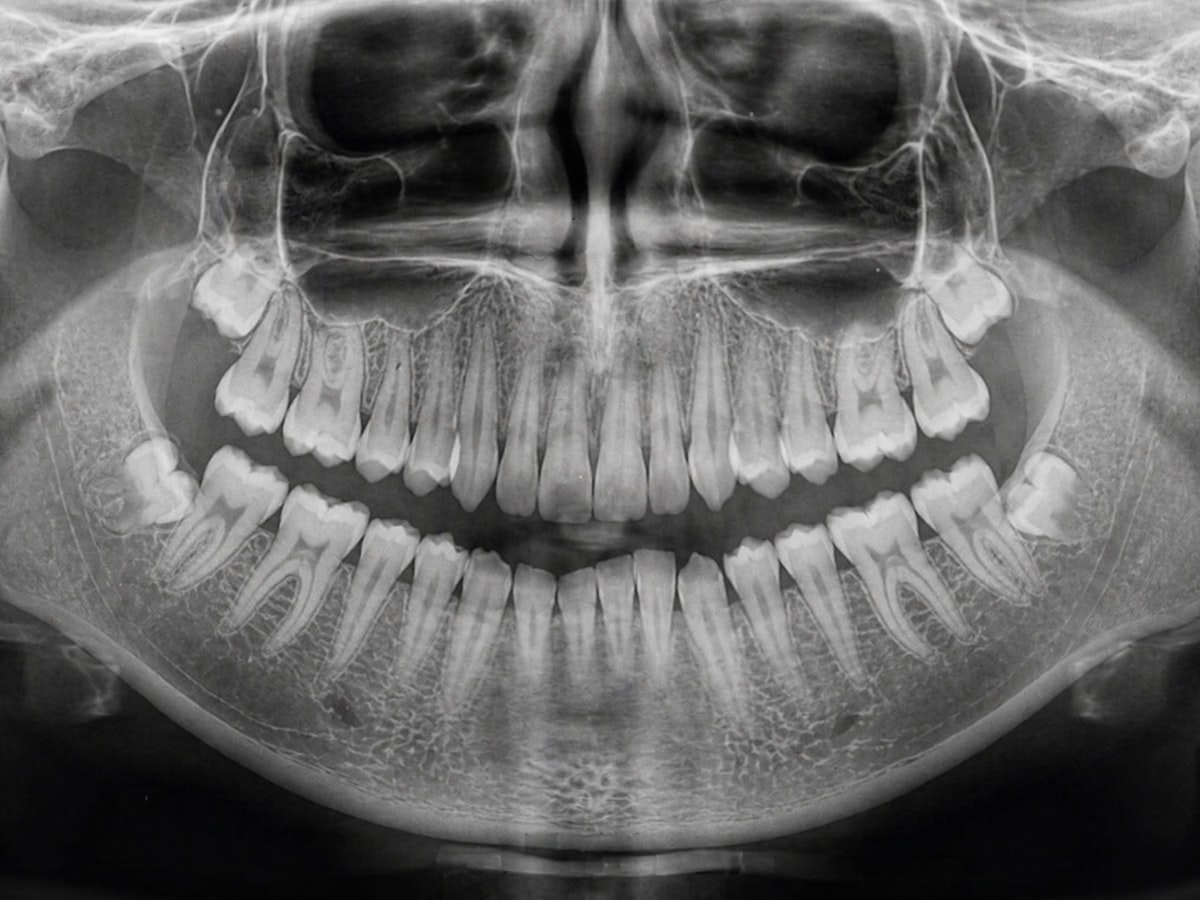
Most people do not think much about wisdom teeth until they start causing trouble. That is usually how it goes in practice. A patient comes in because the back of the jaw feels sore, the gums behind the molars seem swollen, or food keeps getting trapped in a spot that is impossible to clean well. Sometimes there is pressure with no obvious pain. Sometimes there is a sudden infection that makes opening the mouth uncomfortable. In many cases, the issue has been developing quietly for months or even years.
That is why conversations about Wisdom Teeth Removal Oxnard CA are not only about solving a short-term problem. They are about protecting the health of nearby teeth, preserving gum tissue, reducing the chance of repeated infections, and preventing damage that can become far more expensive and difficult to treat later. When wisdom teeth erupt in a healthy, functional position, they may not need to be removed. But in real clinical settings, that is not the most common story.
The value of timely evaluation lies in seeing the whole picture. Wisdom teeth sit at the very back of the mouth, an area that is already hard to examine and harder to clean. When there is limited space, partial eruption, or an awkward angle of growth, they create conditions that work against long-term oral health. Removal, when it is truly indicated, often protects much more than that single tooth.
Why wisdom teeth cause problems so often
Wisdom teeth, also called third molars, are the last permanent teeth to develop. They usually emerge in the late teens or twenties, although timing varies. By the time they arrive, the rest of the adult dentition has already claimed its space. Some jaws can accommodate them. Many cannot.
That mismatch between tooth size and available jaw space creates the problems dentists and oral surgeons see every week. A wisdom tooth may remain trapped under the gums, partly emerge through the tissue, or press at an angle against the second molar in front of it. Each of those situations carries its own risks.
A fully impacted wisdom tooth, one that remains buried in bone or gum tissue, is not automatically harmful. Some impacted teeth can stay stable for years. The difficulty is that others develop cysts, resorb the roots of neighboring teeth, or become a source of inflammation that a patient cannot detect early. A partially erupted tooth is even more problematic in many cases, because the opening in the gum creates a sheltered area where bacteria and debris collect. That often leads to pericoronitis, a painful gum infection around the crown of the tooth.
The mechanical challenge matters too. Even highly motivated patients who brush and floss carefully often struggle to keep the far back corners of the mouth truly clean. When plaque sits undisturbed near a wisdom tooth, the nearby second molar pays the price. It is not unusual to see decay or gum breakdown on a perfectly good second molar simply because a poorly positioned wisdom tooth made that area difficult to maintain.
Long-term health is usually decided before the pain gets severe
One common misconception is that wisdom teeth only need attention if they hurt. Pain is important, but it is not the full standard. By the time pain becomes frequent or intense, secondary damage may already be underway. Early imaging and a proper exam often reveal risk patterns before symptoms become dramatic.
This is especially relevant for younger adults. The roots of wisdom teeth are often less fully formed in the later teen years and early twenties, and the surrounding bone may be more forgiving during removal. That does not mean every young person needs surgery. It means the timing of evaluation can matter. When a tooth is clearly headed toward impaction, chronic gum inflammation, or damage to the adjacent molar, acting earlier can simplify treatment and recovery.
An experienced clinician weighs several factors at once: the angle of the tooth, the amount of eruption, the shape of the roots, the position of important nearby structures such as the inferior alveolar nerve in the lower jaw, the health of the second molar, and the patient’s age and medical history. Good judgment in this area is not about removing every wisdom tooth on sight. It is about identifying which teeth pose a real long-range threat and which can be monitored responsibly.
The hidden cost of keeping a problematic wisdom tooth
Patients often focus on the extraction itself, which is understandable. Yet from a long-term dental perspective, the more important question is what happens if a problematic tooth stays in place.
The second molar in front of a wisdom tooth is often the first casualty. When a third molar leans forward, it can trap plaque and food where the two teeth meet. That contact point sits so far back that even diligent flossing may not reach it properly. Over time, decay can form on the back surface of the second molar. Those cavities are difficult to restore and sometimes remain unnoticed until they are deep. In severe cases, the second molar may need root canal treatment, a crown, or even extraction. Losing or heavily restoring a healthy second molar because of a neglected wisdom tooth is a frustrating and preventable outcome.
Gum health also suffers. Chronic inflammation around partially erupted wisdom teeth can extend to neighboring areas, creating pockets where harmful bacteria thrive. Patients may report a bad taste, swelling, bleeding when brushing, or tenderness when chewing. Those symptoms may come and go, which makes them easy to ignore. But repeated cycles of infection and inflammation are not benign. They can gradually erode the supporting tissues around the nearby molar.
There is also the issue of repeated urgent care. Some people live with a pattern of flare-ups for years, usually managing them with rinses, antibiotics, or simply waiting for the pain to calm down. That approach rarely solves the underlying problem. It only delays definitive treatment while allowing more tissue irritation and more difficult hygiene.
Signs that a wisdom tooth deserves prompt evaluation
Not every concern feels dramatic. In fact, some of the most important warning signs are easy to dismiss as minor irritation.
- Swelling or tenderness behind the last visible molar
- Food trapping repeatedly in the same back corner of the mouth
- Jaw stiffness or discomfort when opening wide
- A bad taste or odor that returns even after brushing
- Pressure against nearby teeth or unexplained gum bleeding in the back
A patient in Oxnard may notice one or two of these issues for months before scheduling a visit. That delay is common. The back of the mouth is out of sight, symptoms can fade between flare-ups, and many people assume the discomfort is temporary. A clinical exam and imaging can quickly show whether the issue is a passing irritation or the start of a larger structural problem.
How removal protects neighboring teeth
If there is one long-term benefit that deserves more attention, it is the protection of the second molars. Those teeth do a great deal of chewing work over a lifetime. Preserving them matters.
When a wisdom tooth is removed before it creates severe contact damage, the back of the second molar becomes easier to clean and easier to monitor. The gum tissue can heal into a healthier contour, plaque accumulation usually falls, and the daily burden on that area drops considerably. This is especially important for patients who already have crowded teeth, deep gum pockets, or a history of cavities.
There is a practical side to this that patients appreciate once the tooth is gone. Brushing the back of the mouth feels less awkward. Flossing around the final standing molar becomes more manageable. There is simply less obstruction. Dentistry often works best when daily home care becomes realistic, not heroic. Removing a poorly positioned wisdom tooth can transform a chronically frustrating hygiene zone into an area that a patient can actually maintain.
The role of timing in Wisdom Teeth Removal Oxnard CA
Timing is never one-size-fits-all, but it plays a major role https://travisphtn885.lumenforgex.com/posts/wisdom-teeth-removal-in-oxnard-ca-for-busy-families in outcomes. In younger adults, removal can be more straightforward because roots may be less fully developed and bone density may be lower than it is later in life. Swelling and soreness still occur, of course, but the procedure may be less complex in many cases.
For older adults, wisdom teeth can still be removed successfully, yet the calculus changes. Roots are often fully formed, bone is denser, and a tooth that has been partially erupted for years may come with more gum inflammation or decay on the neighboring molar. None of that means someone has waited too long. It simply means treatment planning becomes more individualized and sometimes more urgent if adjacent damage is already visible.
In a region like Oxnard, where patients range from college-age adults to busy parents and older professionals, scheduling decisions are often shaped by work, family responsibilities, and insurance timing. Those practical realities matter. Still, the best timing is generally before repeated infections, second-molar decay, or extensive bone loss complicate the picture. A proactive consultation provides options. Waiting until a weekend pain crisis usually narrows them.
What the evaluation should include
A meaningful wisdom tooth consultation is more than a quick glance in the mouth. It should include a detailed exam, a review of symptoms, and current imaging, often panoramic X-rays and sometimes 3D imaging if the roots appear close to the nerve canal or sinus structures.
Clinicians look for several key questions. Is the tooth fully erupted, partially erupted, or impacted? Is it angled forward, backward, or horizontally? Is there damage to the second molar? Is there bone loss or infection around the area? Does the upper wisdom tooth interfere with the lower one? Are there sinus considerations in the upper jaw? In lower teeth, how near are the roots to the major sensory nerve?
These details shape everything that follows, from whether removal is advised to how the procedure should be performed and what the recovery is likely to feel like. This is where experience matters. Two wisdom teeth can look similar to a patient yet pose very different levels of risk. Good treatment planning comes from reading those differences accurately.
Recovery is temporary, the benefits often last for decades
People naturally focus on the recovery because it is immediate and personal. There may be swelling, soreness, limited jaw opening, and a few days of disrupted routine. That is real. It should not be minimized. But it helps to place recovery in context. For most healthy patients, the more uncomfortable phase is measured in days, not years. The protective effect on oral health can extend indefinitely.
A smooth recovery usually depends on preparation, surgical technique, and good aftercare. Patients who know what to expect tend to do better because they are less likely to disturb the healing sites or fall behind on hydration and pain control. Small practical steps make a difference.
- Use cold packs early, rest with the head slightly elevated, and take prescribed or recommended medications as directed
- Stick to soft foods at first, then advance gradually as comfort improves
- Avoid vigorous rinsing, smoking, and drinking through straws during the initial healing period
- Keep the mouth clean with gentle brushing and any rinse instructions provided by the office
- Call the office if pain sharply worsens after a few days, if swelling increases unexpectedly, or if fever develops
What patients often notice a few months later is not just that the extraction sites healed. They notice the absence of recurring irritation. No more tender flap of gum catching food. No more pressure in the back of the jaw. No more worrying that a second molar is silently being damaged in a place they cannot see.
Cases where monitoring makes more sense than removal
A balanced discussion should acknowledge that not every wisdom tooth needs to come out. There are situations where observation is appropriate. A deeply impacted tooth that is symptom-free, not harming adjacent structures, and not associated with cyst formation may simply be monitored with periodic exams and imaging. An older patient with significant medical complexity may be better served by careful surveillance if the tooth has remained stable for years and surgery offers little clear benefit.
That said, watchful waiting only works when it is active, not passive. Monitoring means the tooth is being checked intentionally for changes, not forgotten until it causes pain. The patient understands what symptoms to watch for, and the dentist tracks the area over time. This distinction matters. Responsible observation is part of good dental care. Neglect is not.
Why local access matters for patients in Oxnard
When patients search for Wisdom Teeth Removal Oxnard CA, they are usually looking for more than a procedure. They are looking for reliable local care, clear communication, and a team that understands how to guide them from diagnosis through healing. Geography matters more than people sometimes realize.
A local provider makes follow-up easier. If swelling does not behave as expected, if a patient has questions about diet or activity, or if a dry socket develops, being able to reach the treating office without a long drive matters. It also supports continuity between the general dentist and the oral surgery team. The exchange of X-rays, exam findings, and long-term maintenance plans tends to work better when care is coordinated within the same community.
Oxnard patients also bring a wide range of practical concerns to treatment. Some want to coordinate surgery during a school break. Others need to plan around physically demanding work or childcare. Some are managing anxiety about dental procedures and need a thoughtful explanation of sedation options and recovery. Long-term dental health is not just about anatomy. It is also about delivering care in a way that patients can realistically follow through on.
Sedation, comfort, and decision-making
Fear keeps many people from addressing wisdom teeth early. That fear is understandable. Past dental experiences, stories from friends, and uncertainty about what surgery involves can all amplify the problem. In my experience, anxiety often drops once patients receive a plainspoken explanation of what is actually expected before, during, and after the procedure.
The right comfort strategy varies. Some patients do well with local anesthesia alone, especially for erupted teeth that are straightforward to remove. Others prefer oral sedation or IV sedation, particularly when multiple impacted teeth are involved or dental anxiety is significant. There is no prize for enduring more stress than necessary. The goal is safe, controlled treatment with an experience the patient can tolerate well.
This is another reason that personalized evaluation matters. Sedation planning should consider the complexity of the extraction, the patient’s medical history, their level of anxiety, and the logistics of getting home and recovering safely afterward. Good care is not just technically competent. It is well matched to the person sitting in the chair.
The financial perspective patients often overlook
It is easy to see removal as a short-term expense and postpone it for that reason. Sometimes postponement is reasonable. Sometimes it becomes more costly in the long run. A decayed second molar, repeated emergency visits for infection, periodontal treatment for damaged gums, or a more difficult extraction later in life can surpass the cost of timely intervention.
That does not mean every patient should rush into surgery. It means the financial conversation should be broad enough to include the downstream risks of leaving a problematic tooth in place. The least expensive choice today is not always the least expensive choice over five or ten years. Dental decisions have a way of compounding, for better or worse.
A healthy mouth benefits from removing the obstacles to maintenance
Long-term dental health depends heavily on what a patient can maintain day after day. The best brushing technique in the world cannot fully overcome a tooth position that creates a chronic trap for plaque and food. That is the practical truth behind many wisdom tooth decisions.
When a problematic wisdom tooth is removed at the right time, the benefits are rarely dramatic in the way cosmetic treatments can be. They are quieter and more durable. Fewer infections. Cleaner gum contours. Better access for brushing and flossing. Lower risk to neighboring molars. Less chance of an urgent problem appearing at the wrong moment.
That is why Wisdom Teeth Removal Oxnard CA remains an important part of preventive and restorative dental planning. At its best, it is not an isolated procedure. It is a strategic step that protects the rest of the mouth, reduces future complications, and helps patients keep healthy teeth for the long term.
Oxnard Dentistry
1730 E Gonzales Rd
Oxnard, CA 93036, United States
Phone: +1 805-307-8731
FAQ About Wisdom Teeth Removal Oxnard CA
How much does it cost to get wisdom teeth removed in California?
Fees depend on tooth position, the number of extractions, imaging and anesthesia. Oxnard Dentistry can provide an individual estimate after examining your teeth. Ask for an itemized plan and confirm insurance benefits before scheduling.
Will insurance cover wisdom teeth removal?
Coverage and out-of-pocket costs vary by policy and the treatment required. Ask the dental office and your insurer to verify benefits, annual limits and any authorization requirements. A benefit estimate does not guarantee payment.
Is 30 too old to have wisdom teeth removed?
Age alone does not determine whether extraction is appropriate. A dentist evaluates symptoms, tooth position, oral health and medical history. Healthy, functional wisdom teeth may be monitored; teeth causing disease or other problems may need treatment.